Becoming a private carer is no longer considered an informal role. It is a highly skilled, trust-based profession that demands clinical awareness, emotional intelligence, and uncompromising standards of care. As specialist care providers, we understand that families today seek personalised, outcome-driven support, delivered by carers who operate with professionalism, intention, and responsibility. We’ve got you covered: How to become a Private Carer in 2026?
This guide provides a clear, authoritative pathway for individuals who want to become private carers while meeting the expectations of modern clients who value safety, expertise, and continuity of care.
Key Takeaways
- Private caring is a skilled profession, not informal work
- Training, compliance, and professionalism are essential
- Families value continuity, trust, and personalised care
- Specialist private carers are in growing demand
- Long-term success depends on grade, goodness, and consistency
What Defines a Private Carer in Specialist Care Settings
A private carer provides one-to-one, bespoke care directly to individuals in their own homes or supported living environments. Unlike agency-rotated carers, we focus on relationship-led care, consistency, and long-term wellbeing.
Private carers may support:
- Older adults with age-related conditions
- Clients living with dementia or mental decline
- Individuals with neurological or complex health needs
- Clients requiring post-hospital or rehabilitation care
- Families seeking live-in or long-term continuity of care
This role requires far more than availability; it requires clinical awareness, safeguarding knowledge, and professional judgment.
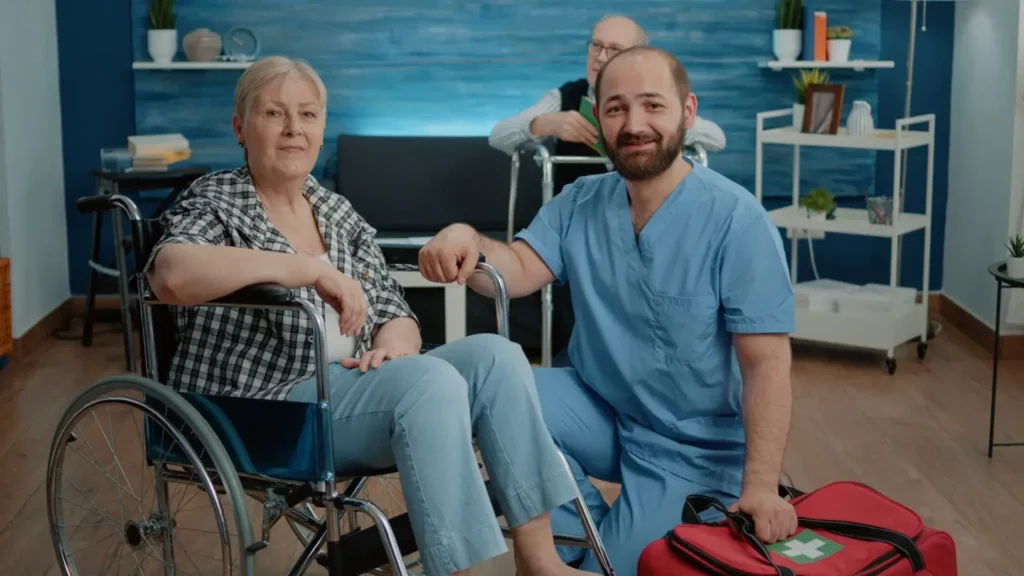
Essential Skills and Qualities Required to Become a Private Carer
Private care is a high-responsibility profession. We expect carers to demonstrate both technical competence and emotional maturity.
Core professional qualities include:
- Advanced communication and listening skills
- Emotional strength and empathy
- Strong observational and reporting ability
- Respect for dignity, privacy, and autonomy
- Ability to work independently while following care plans
- Cultural sensitivity and adaptability
These qualities ensure clients feel safe, respected, and genuinely supported, not simply assisted.
Qualifications and Training That Build Trust and Authority
While private carers may operate independently, formal training is non-negotiable in specialist care environments.
Recommended and expected qualifications include:
- Care Certificate (mandatory foundation)
- Level 2 or Level 3 Diploma in Health & Social Care
- First Aid and Emergency Response training
- Safeguarding Adults certification
- Manual Handling and Risk Assessment training
- Infection Prevention and Control
For specialist care, additional training in dementia care, neurological conditions, comforting support, or medication management significantly enhances professional standing.
Legal, Compliance, and Safety Requirements
Professional private carers must operate within a strong compliance framework.
Key requirements include:
- Enhanced DBS clearance
- Right-to-work verification
- Professional indemnity and public liability insurance
- GDPR-compliant data handling
- Written care agreements and service terms
- Clear incident reporting procedures
These safeguards protect clients, families, and carers, supporting credibility and long-term sustainability.
Private Carer vs Agency Carer: A Professional Comparison
| Criteria | Private Carer | Agency Carer |
|---|---|---|
| Continuity of Care | High – same carer consistently | Rotational staff |
| Personalisation | Fully tailored to client needs | Standardised care |
| Flexibility | Highly adaptable schedules | Fixed agency shifts |
| Client Relationship | Direct, trust-based | Limited interaction |
| Cost Transparency | Agreed directly | Agency-controlled |
| Accountability | Direct responsibility | Agency oversight |
This difference explains why families seeking specialist or long-term care increasingly choose private carers.
How to Set Up as a Professional Private Carer
Transitioning into private care requires a structured, business-minded approach.
We recommend:
- Registering as self-employed
- Defining clear service offerings
- Setting professional care rates aligned with experience
- Creating written care documentation
- Maintaining accurate financial and care records
Professional presentation signals credibility, reliability, and confidence to prospective clients.
Finding Private Care Clients in a Specialist Market
High-quality private care relies on targeted, trust-based client acquisition rather than volume.
Effective channels include:
- Specialist care providers and referrals
- Healthcare professionals and discharge teams
- Local authority or case manager recommendations
- Professional online care platforms
- Strong word-of-mouth reputation
Families choose carers who demonstrate competence, clarity, and passionate intelligence, not aggressive marketing.
Pricing, Value, and Professional Boundaries
Private carers command higher rates because they deliver bespoke, uninterrupted care.
Pricing should reflect:
- Level of training and specialism
- Complexity of care needs
- Hours, location, and flexibility
- Emotional and physical demands of the role
Clear boundaries, written agreements, and honest communication ensure mutual respect and endurable working relationships.
Maintaining Excellence and Long-Term Career Growth
Professional private carers continuously evolve. We maintain excellence by:
- Updating training and certifications
- Reflecting on care outcomes
- Engaging in professional supervision
- Adhering to ethical care standards
- Prioritising self-care and resilience
Career progression may include specialist roles, live-in care, mentoring, or leadership within care organisations.

Why Specialist Private Care Is the Future
As care needs become more difficult, families increasingly seek bespoke, specialist-led solutions. Private carers who operate with professionalism, empathy, and responsibility are positioned at the forefront of modern care delivery.
Exceptional care is not just provided, it is designed, delivered, and continuously refined.
Specialist Areas Where Private Carers Are Most in Demand
The private care sector continues to evolve, with demand increasingly concentrated in specialist care disciplines. Carers who develop expertise in these areas significantly improve employability, earning potential, and long-term career stability.
High-demand specialist care areas include:
- Dementia and Domiciliary care, requiring advanced communication tactics and behavioural understanding
- Neurological care, supporting clients with Parkinson’s disease, multiple sclerosis, or acquired brain injury
- Palliative and end-of-life care, focusing on comfort, dignity, and family support
- Post-operative and rehabilitation care, including mobility support and recovery monitoring
- Complex care, involving multiple conditions, medication controls, and clinical oversight
Specialist private carers are trusted to deliver consistent, clinically informed care, often working closely with healthcare professionals and family members.
Live-In Private Carer Roles: Responsibilities and Expectations
Live-in care has become one of the most in-demand private care arrangements. It comforts clients with 24-hour presence, while enabling them to remain safely in their own homes.
Key responsibilities of a live-in private carer include:
- Continuous support with daily living activities
- Monitoring health and wellbeing changes
- Overnight availability when required
- Maintaining a safe and structured environment
- Supporting emotional wellbeing and routine
Live-in care requires strong boundaries, resilience, and adaptability. In return, it offers long-term placements, premium compensation, and deep professional satisfaction.
Risk Management and Safeguarding in Private Care
Safeguarding is central to professional private care. We ensure risks are identified, documented, and proactively managed.
Effective safeguarding practices include:
- Conducting and reviewing risk assessments
- Monitoring physical and emotional wellbeing
- Reporting concerns through appropriate channels
- Maintaining clear documentation
- Respecting support and mental capacity frameworks
Professional private carers act as advocates for helpless individuals, guaranteeing safety without compromising dignity or independence.
Documentation and Care Planning Best Practices
Accurate documentation distinguishes professional carers from informal arrangements. We maintain detailed records to ensure clearness, continuity, and responsibility.
Essential documentation includes:
- Initial care assessments
- Individualised care plans
- Daily care notes
- Medication records
- Incident and escalation reports
This approach supports safe decision-making, regulatory compliance, and family confidence.
How Technology Supports Modern Private Care
Technology now plays an important role in delivering high-quality private care. When used properly, it enhances, not replaces, human connection.
Common tools include:
- Digital care planning systems
- Secure communication platforms
- Medication reminders and monitoring tools
- Telehealth and remote consultations
Private carers who adapt to technology demonstrate modern professionalism and efficiency, particularly in specialist care settings.
The Future of Private and Specialist Care
The care landscape is shifting toward bespoke, outcome-focused services. Families increasingly reject one-size-fits-all models in favour of carers who understand complex needs and deliver personalised solutions.
Private carers who commit to merit, standards, and continuous gain will define the future of care delivery.
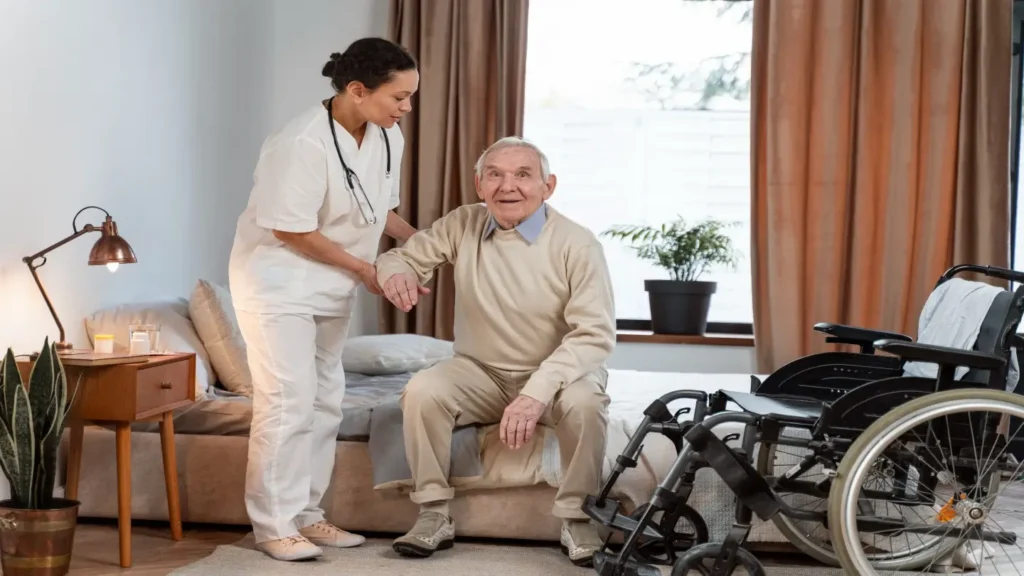
Step-by-Step Checklist: Becoming a Professional Private Carer
Practical readiness checklist:
- Obtain recognised care qualifications
- Complete enhanced DBS clearance
- Secure appropriate insurance coverage
- Undertake specialist training where relevant
- Establish professional documentation
- Set ethical and professional boundaries
- Engage in continuous professional development
This structured approach ensures readiness for specialist private care environments.
Conclusion
Becoming a private carer is a professional commitment to care, responsibility, and human dignity. When delivered to specialist standards, private care transforms lives not only for clients, but for carers themselves.
The highest standard of care is achieved when expertise meets empathy, supported by structure, compliance, and purpose.
FAQs
A private carer provides personalised, one-to-one support according to an individual’s physical, emotional, and clinical needs. Daily responsibilities typically include personal care, mobility support, medication assistance, meal preparation, health observation, companionship, and maintaining a safe home environment. In specialist care, private carers also monitor symptoms, follow structured care plans, and escalate concerns to healthcare professionals when required.
Yes, while it is possible to start with minimal experience, professional private carers are expected to hold recognised training. At a minimum, this includes the Care Certificate, safeguarding training, first aid, and manual handling. For specialist or complex care, additional qualifications such as a Level 2 or Level 3 Diploma in Health and Social Care are strongly preferred and often required.
Earnings vary depending on experience, location, and care complexity. Private carers generally earn more than agency carers because they deliver bespoke services directly to clients. Specialist private carers supporting complex or live-in arrangements often command premium rates that reflect responsibility and expertise.
Individuals without prior experience can enter private care if they complete foundational training and work within an appropriate support team. However, specialist private care typically requires hands-on experience, strong references, and proven competence. Families prioritise safety and expertise when selecting private carers.
A private carer may provide hourly, overnight, or flexible support. In contrast, a live-in carer resides in the client’s home and provides ongoing care throughout the day with agreed rest periods. Live-in care is suitable for individuals requiring continuous support and offers maximum stability and reassurance.
Families typically consider qualifications, experience, references, communication skills, and compatibility. Trust, reliability, and professionalism are key decision factors. Specialist providers add value by matching carers carefully and maintaining oversight.
Private carers support a wide range of needs, including age-related weakness, dementia, neurological conditions, post-surgical recovery, long-term illness, and palliative care. Specialist private carers are trained to manage complex conditions safely and compassionately.
Yes, Professional private carers often collaborate with doctors, district nurses, therapists, and other healthcare professionals. Clear communication and accurate reporting ensure continuity of care and optimal outcomes for clients.
Specialist private care improves quality of life by delivering consistent support bespoke to individual routines, preferences, and health needs. It reduces stress, promotes independence, and provides emotional comfort for both clients and their families.
Specialist private care is delivered by carers with advanced training and experience in complex or high-risk conditions. It follows structured care planning, clinical oversight, and evidence-based practices, ensuring higher safety and care standards.