Health care has changed significantly over the years. Not long ago, receiving proper medical care almost always meant hospital stays, clinics, and long waiting rooms. Today, more people are choosing in-home health care as a safer, more comfortable, and more personal alternative. And honestly, it makes sense. Healing at home often feels better than healing anywhere else. We’ve got you covered: How to Get Home Health Care Services?
Whether you’re caring for an aging parent, recovering from surgery, or managing a chronic condition, home-based health services can bring professional medical support right to your doorstep without turning your life upside down.
Key Takeaways
- In-home health care delivers medical and personal care where patients feel most comfortable.
- Home nursing services and skilled home health care support recovery and medical needs.
- Home care assistance improves daily quality of life.
- Private home health care offers flexibility and customisation.
- Choosing the right provider directly impacts safety, comfort, and outcomes.
What Is In-Home Health Care?
In-home health care refers to a wide range of medical and non-medical services provided in a patient’s home. Instead of travelling to a facility, trained professionals come to you. This can include everything from home nursing services to daily home care assistance with personal tasks.
Think of it as hospital-level care, scaled and customised for real life.
Understanding Home-Based Health Services
Medical vs Non-Medical Care at Home
Not all home medical care looks the same. Some services are clinical, while others focus on daily living support.
- Medical services include skilled nursing, therapy, medication management, wound care, and monitoring chronic conditions.
- Non-medical services include bathing, dressing, meal prep, mobility support, and companionship.
Together, these services form a complete in-home patient care solution.
Who Benefits Most from Home-Based Health Care Assistance?
Seniors and Aging Adults
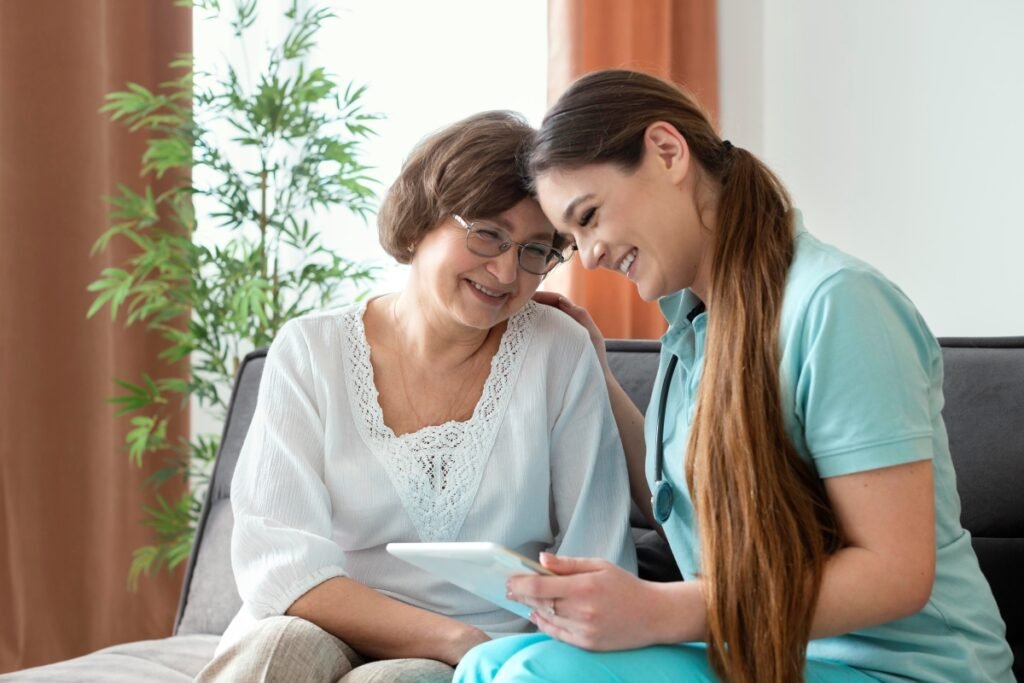
Older adults often prefer to stay in familiar surroundings. Residential health care delivered at home allows seniors to age in place while still receiving professional attention.
Post-Surgery and Post-Hospital Patients
After discharge, many patients still need monitoring or therapy. Skilled health care reduces complications and prevents hospital readmissions.
People with Chronic Conditions
Diabetes, heart disease, arthritis, and neurological disorders often require ongoing care. Home medical care offers consistent support without constant clinic visits.
Individuals with Disabilities
Daily tasks can become overwhelming without assistance. Home care assistance restores independence while maintaining safety.
Types of Professional Home Care Services Available
Home Nursing Services
Licensed nurses provide clinical care such as:
- Medication administration
- Wound and catheter care
- Injections and IV therapy
- Vital sign monitoring
These home nursing services are ideal for patients who need medical oversight but not hospitalisation.
Skilled Home Health Care
This includes advanced services ordered by a physician, such as:
- Physical therapy
- Occupational therapy
- Speech therapy
- Post-stroke rehabilitation
Skilled home health care is goal-oriented and focused on recovery and functional improvement.
Private Home Health Care
Private home health care allows families to customise services further insurance limitations. This option provides flexibility in scheduling, caregiver selection, and level of attention.
It’s invaluable when extended or 24-hour care is needed.
Home Care Assistance for Daily Living
These services support everyday needs, including:
- Bathing and grooming
- Meal preparation
- Light housekeeping
- Mobility and transfers
While not medical, this level of in-home patient care significantly improves quality of life.
Why In-House Health Care Is in High Demand
Comfort and Familiarity
There’s no substitute for home. Patients feel more relaxed, sleep better, and often recover faster in familiar surroundings.
Personalised One-on-One Care
Unlike busy facilities, professional home care services focus on one patient at a time. That means real attention, not hurried visits.
Lower Overall Costs
In many cases, home-based health services cost less than long-term hospital or nursing facility care.
Greater Independence
Receiving care at home empowers patients to remain active participants in their own health journey.
How to Get Home Medical Care Step by Step
Step 1: Start with a Medical Evaluation
A physician assesses the patient’s condition and determines if home care is medically appropriate.
Step 2: Obtain a Doctor’s Order
For most skilled house health care services, a formal referral is required, especially for insurance or Medicare coverage.
Step 3: Research Professional Home Care Services
Look for licensed agencies with strong reviews, experienced staff, and clear communication.
Step 4: Choose the Right Level of Care
Decide whether you need:
- Home nursing services
- Home care assistance
- Private home-based health care
- Or a combination
Choosing the Best Home-Based Health Services Provider
What to Look For
- Licensed and insured agency
- Certified and trained caregivers
- Transparent pricing
- Customised care plans
- Strong communication
Questions You Should Always Ask
- Who provides the care?
- How are caregivers screened?
- What happens in an emergency?
- Can care plans be adjusted?
Choosing the right professional home care services provider makes all the difference.
Understanding Costs and Payment Options
Insurance and Medicare
Many home medical care services are covered if medically necessary. Coverage depends on eligibility and service type.
Private Pay Options
Private house health care is paid out-of-pocket and offers maximum flexibility.
Financial Assistance Programs
Community organisations, veterans’ benefits, and local agencies may help offset costs.
Preparing Your Home for In-Home Patient Care
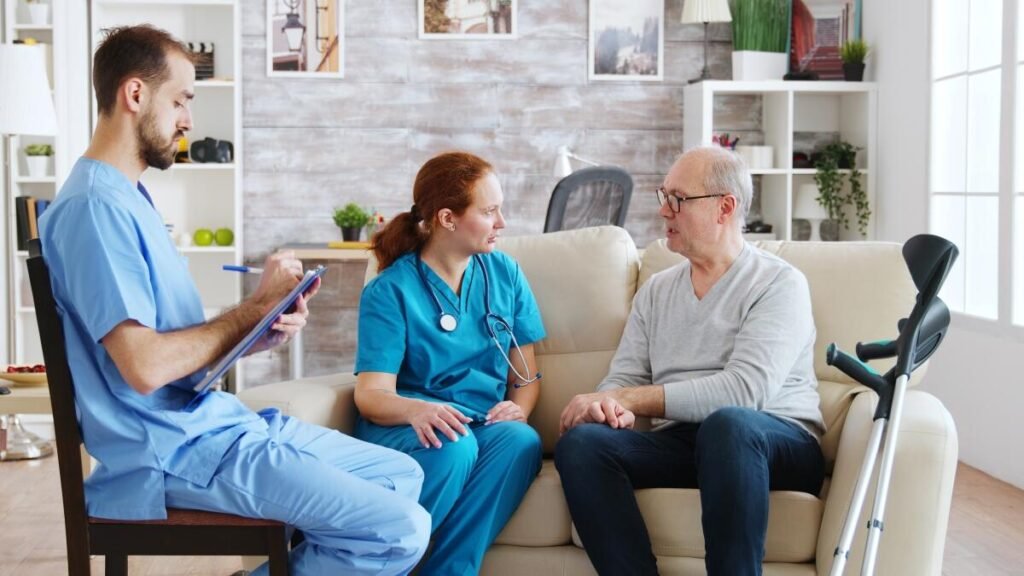
Minor adjustments can make care safer and smoother:
- Remove tripping hazards
- Improve lighting
- Install grab bars if needed
- Create a comfortable care area
A well-prepared home supports effective residential health care delivery.
What to Expect from Professional Home Care Services
Initial Visit
The first visit includes assessments, care planning, and goal-setting.
Ongoing Care
Caregivers follow a structured plan but adapt as needs change.
Regular Reviews
Care plans evolve with progress, setbacks, or new medical conditions.
Technology and Modern Home-Based Health Services
Today’s home-based health services often include:
- Telehealth check-ins
- Remote health monitoring
- Digital care coordination
- Smart medical equipment
Technology ensures consistent, high-quality home care without constant travel.
Common Concerns About House Health Care
Is It Safe?
Yes, when provided by licensed professionals following strict protocols.
Will Care Be Reliable?
Reputable agencies ensure backup staff and consistent scheduling.
Can Family Be Involved?
Absolutely! Family involvement is encouraged and supported.
Quick Comparison: Home Health Care Services
| Service Type | What It Includes | Best For |
|---|---|---|
| Home Nursing Services | Medical treatments, monitoring | Patients needing clinical care |
| Skilled Home Health Care | Therapy, rehab, recovery | Post-hospital patients |
| Home Care Assistance | Daily living support | Seniors, mobility limitations |
| Private Home Health Care | Customized extended care | Long-term or complex needs |
The Future of Home Medical Care
Health care is moving closer to home, literally. With an aging population and rising medical costs, professional home care services are becoming the preferred solution for millions of families.
This shift isn’t a trend. It’s a transformation.
Conclusion
In-home health care brings dignity, comfort, and professional support into everyday life. From home nursing services and skilled health care to home care assistance and private health care, today’s options are flexible, effective, and deeply personal.
When health challenges arise, care doesn’t have to disrupt life. With the right home-based health services, healing happens where it feels best at home.
Frequently Asked Questions
No, People of all ages use in-home health care. It is commonly recommended for individuals recovering from surgery, managing long-term illnesses, healing after injuries, or needing short-term medical support at home.
Home nursing services provide medical care such as medication management, wound care, and health monitoring. Home care assistance focuses on non-medical support like bathing, dressing, meal preparation, and mobility help.
Yes, Many patients receive skilled medical care along with non-medical home care assistance. Combining both creates a complete in-home patient care plan that supports health needs and daily living at the same time.
In many cases, services can start within 24 to 48 hours after the initial assessment and approval. Timing may vary depending on medical needs, provider availability, and insurance requirements.
For many families, yes! Private home health care offers greater flexibility, consistent caregivers, and more personalised attention, making it a strong option for long-term or specialised care needs.